Visit-olympia : Οργανώστε ένα μοναδικό ταξίδι στα μνημεία και αξιοθέατα της Ηλείας και δημιουργήστε τη δική σας επική εμπειρία. Kάντε κλικ εδώ
Visit-olympia : Οργανώστε ένα μοναδικό ταξίδι στα μνημεία και αξιοθέατα της Ηλείας και δημιουργήστε τη δική σας επική εμπειρία. Kάντε κλικ εδώ

Pyrgos Archaeological Museum
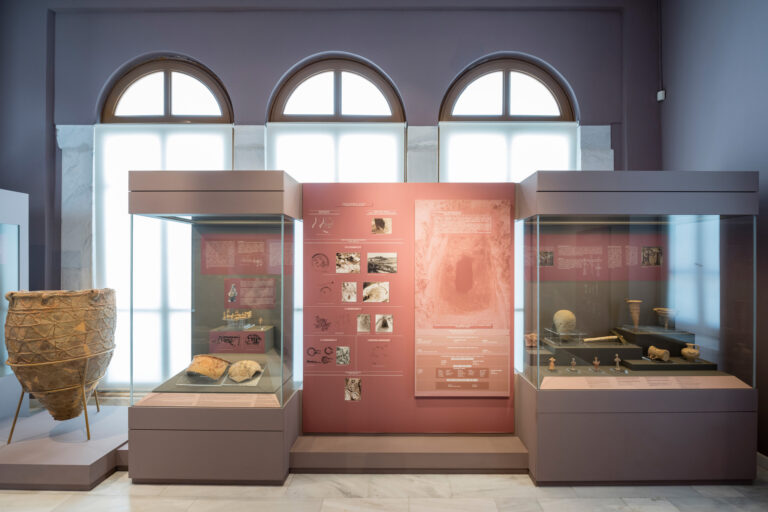
The earliest peoples to inhabit Elis were the Caucones, Leleges and Minyans, followed by the Achaeans and Dorians. Myth names Aethlios, son of Zeus, as its first king, linking the earliest inhabitants with Thessaly, as reflected in shared place names such as Larisos, Peneios and Enipeas. His descendant Epeios gave the Epeians their name.
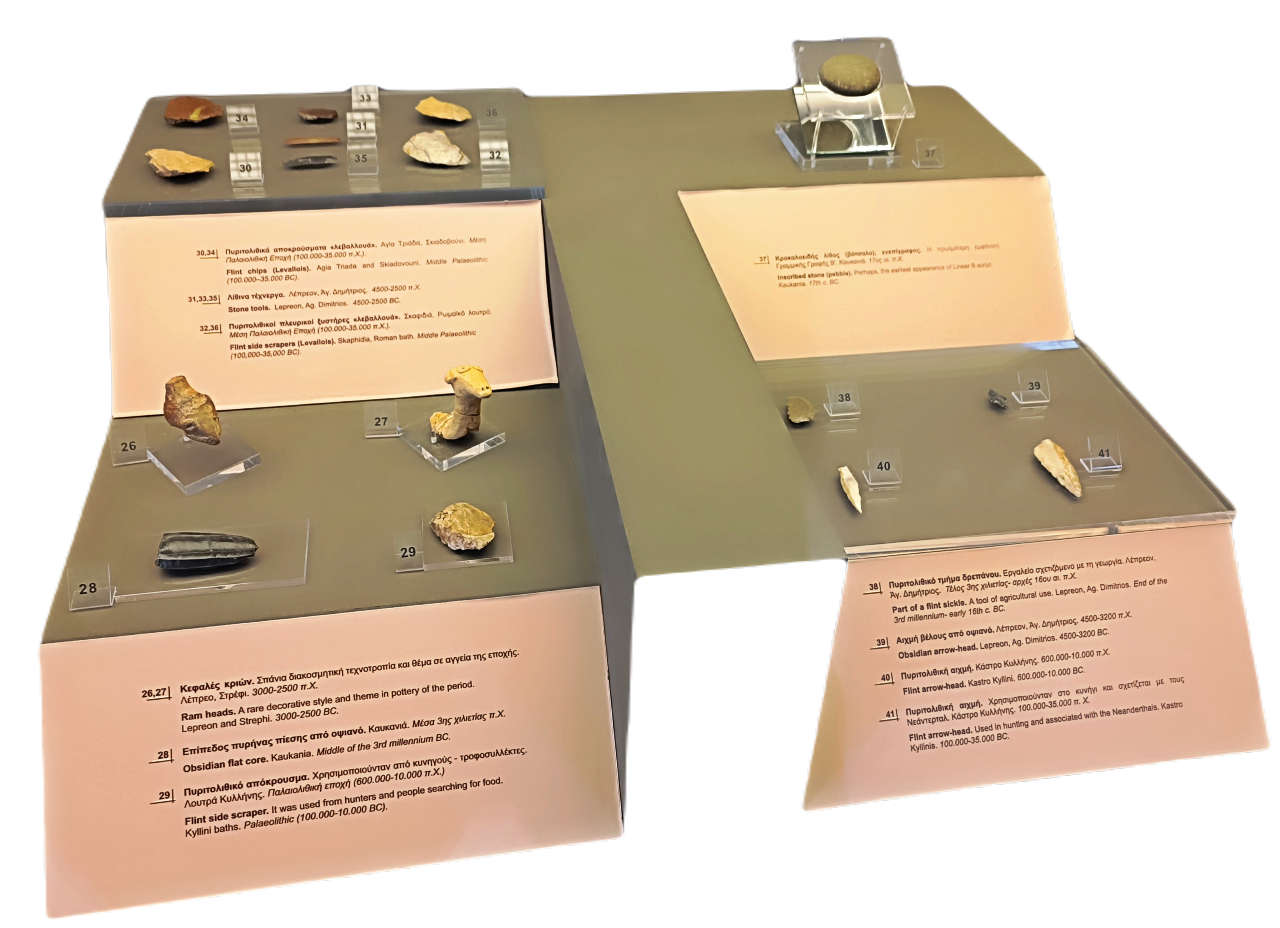
The objects in the first section take us back in time, revealing aspects of the lives of the region’s earliest inhabitants. Stone tools and other artefacts attest to activities such as hunting and farming during the formation of its early communities.
The inhabitants of Elis participated in wider cultural networks from the third millennium BC, with contacts intensifying in Mycenaean times. Its strategic location near major sea routes facilitated the movement of ideas and products. More substantial contacts began in the middle of the second millennium with the arrival of Minoan traders.
Archaeological remains document continuous habitation from the Neolithic to Submycenaean times. Olympia was an important prehistoric centre, with the earliest settlement traces dating to the Final Neolithic (4300–3100 BC). Other settlements at Lepreon and Strefi provide evidence for public life, while burial assemblages throughout Elis reveal aspects of everyday life.
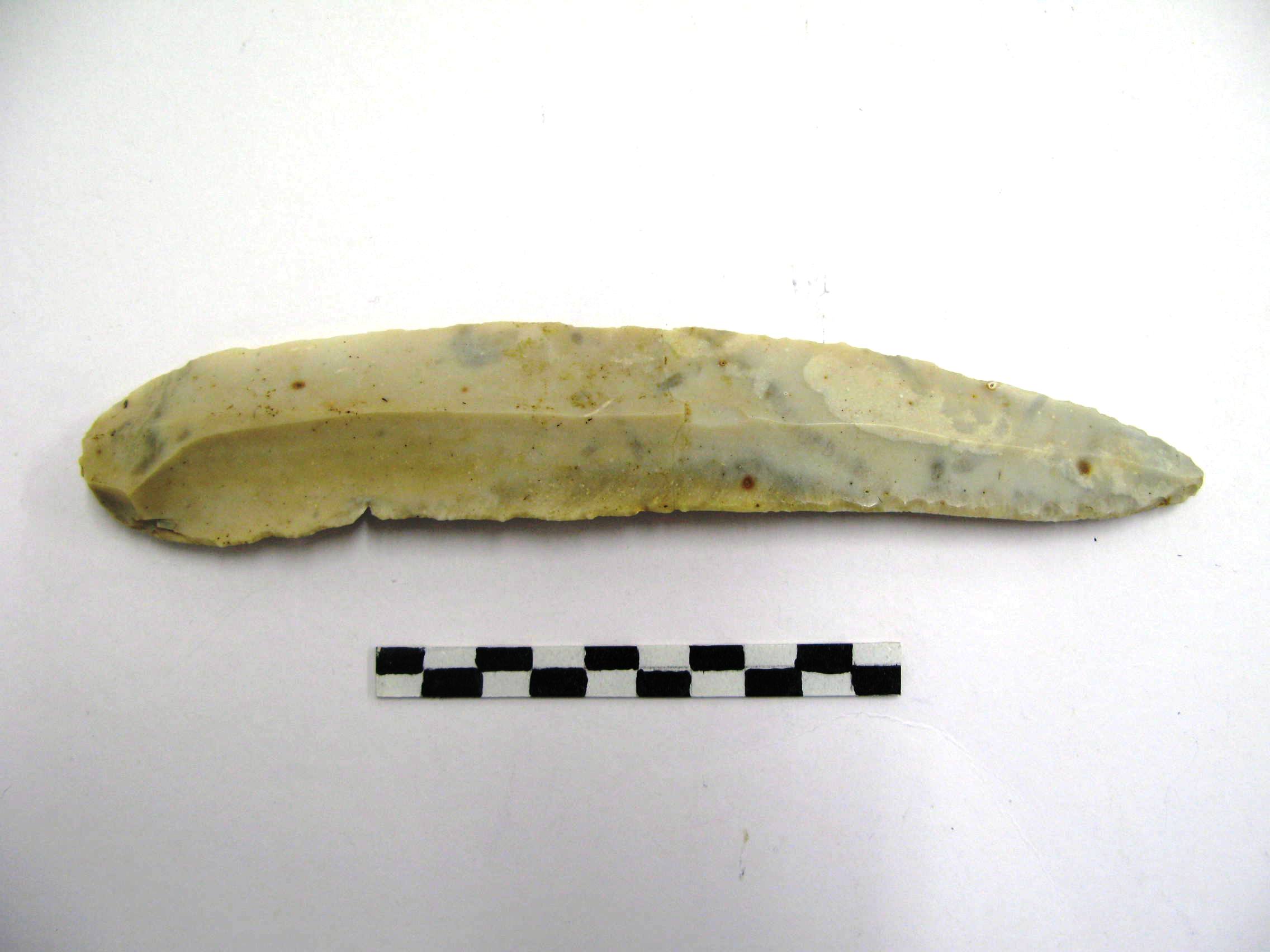
An important tool for everyday use, remarkable for its size, material and excellent preservation. A rare Early Helladic find, dated in the original interpretation to the end of the fourth millennium BC, from Rikovouni near Kafkania, close to Ancient Olympia.

Middle Palaeolithic, 100,000–35,000 BC.
A Mousterian flint point used for hunting by Neanderthals. No human bones have yet been identified in Elis, but their presence and activities are attested by their tools and artefacts.
From the area of Kastro, Kyllini.
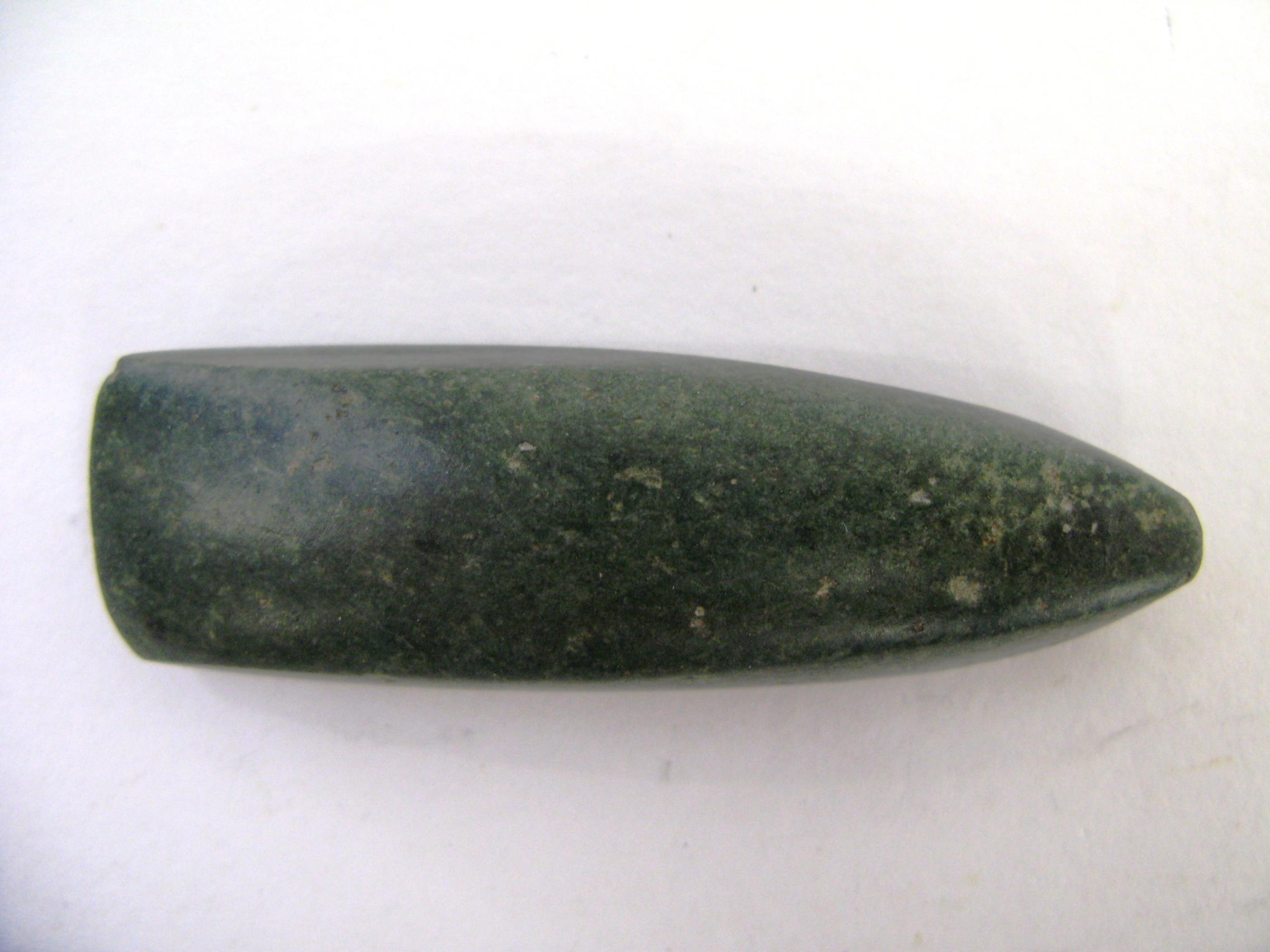
Neolithic period, 6800–3200 BC.
A complete chisel of hard, polished green stone, used for woodworking.
From the area of Goumero.