Visit-olympia : Οργανώστε ένα μοναδικό ταξίδι στα μνημεία και αξιοθέατα της Ηλείας και δημιουργήστε τη δική σας επική εμπειρία. Kάντε κλικ εδώ
Visit-olympia : Οργανώστε ένα μοναδικό ταξίδι στα μνημεία και αξιοθέατα της Ηλείας και δημιουργήστε τη δική σας επική εμπειρία. Kάντε κλικ εδώ

Pyrgos Archaeological Museum
Explore Post-Byzantine Elis through six objects from the Archaeological Museum of Pyrgos: inscriptions, coins, pottery and a devotional pendant.
Open each description to learn more. Select a photograph to view the image at full size in a new tab.
01 / 6
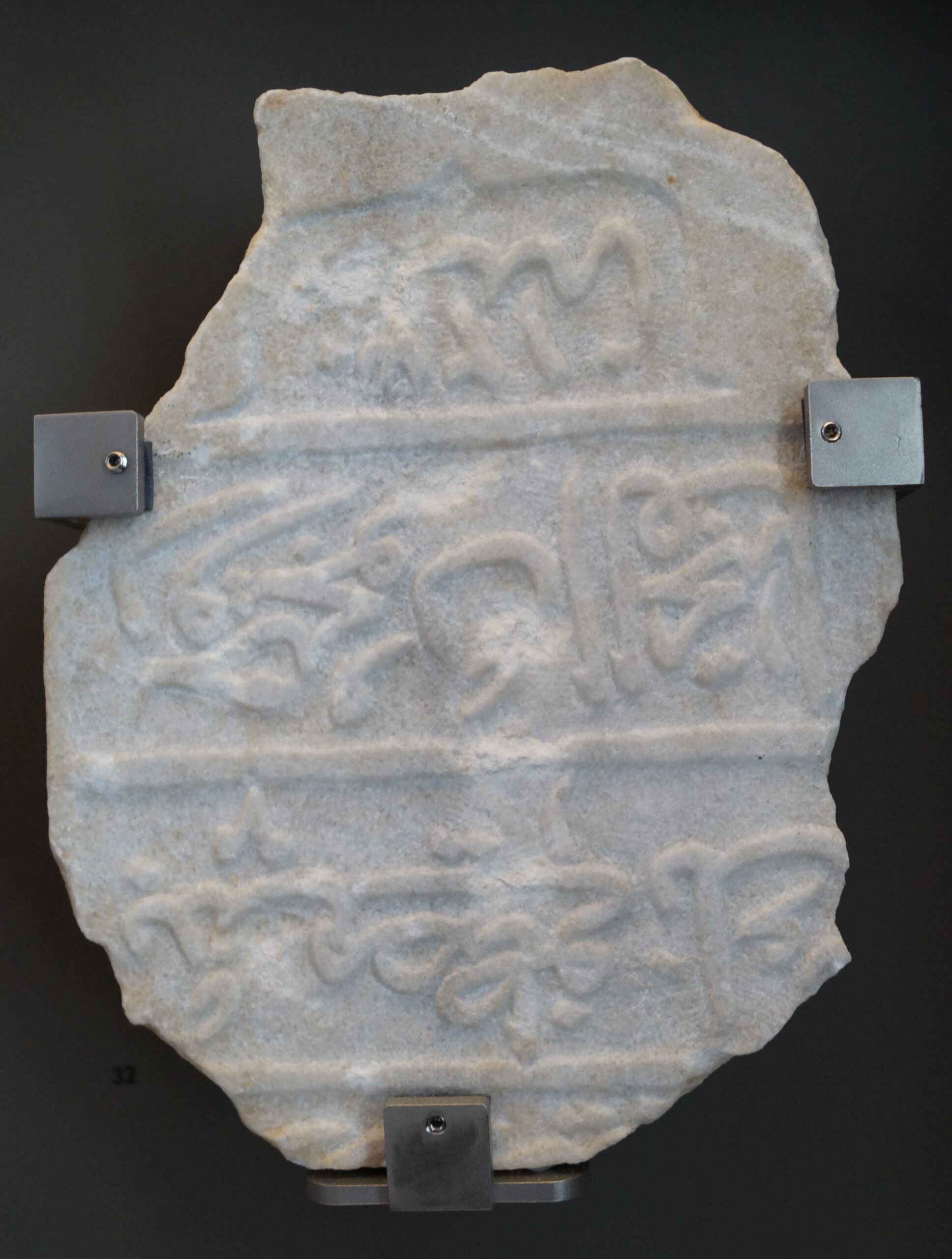
Fragment of an inscribed marble slab (ΗΛ577), with chipped edges. It preserves parts of three lines of Ottoman-period lettering carved in relief, separated by horizontal rules. On the reverse, the slab is attached to a small pier-like support. From Lala. Post-Byzantine period.
02 / 6
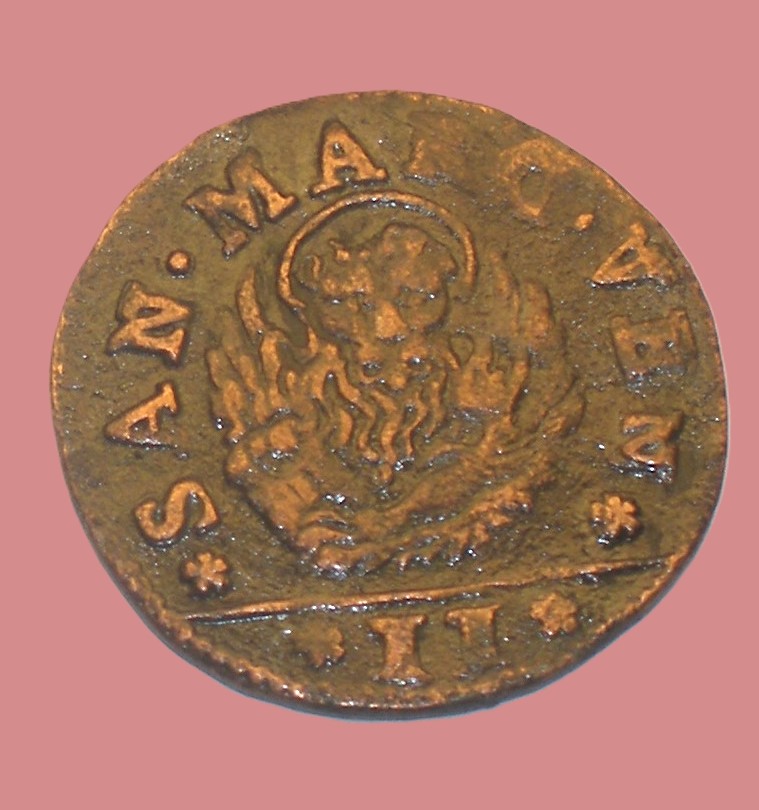
Venetian copper coin (ΒΕ1466α). The obverse depicts the Lion of Saint Mark, the emblem of Venice. The reverse bears the clearly legible inscription ARMATA ET MOREA. From the area of Agrapidochori. Post-Byzantine period.
03 / 6
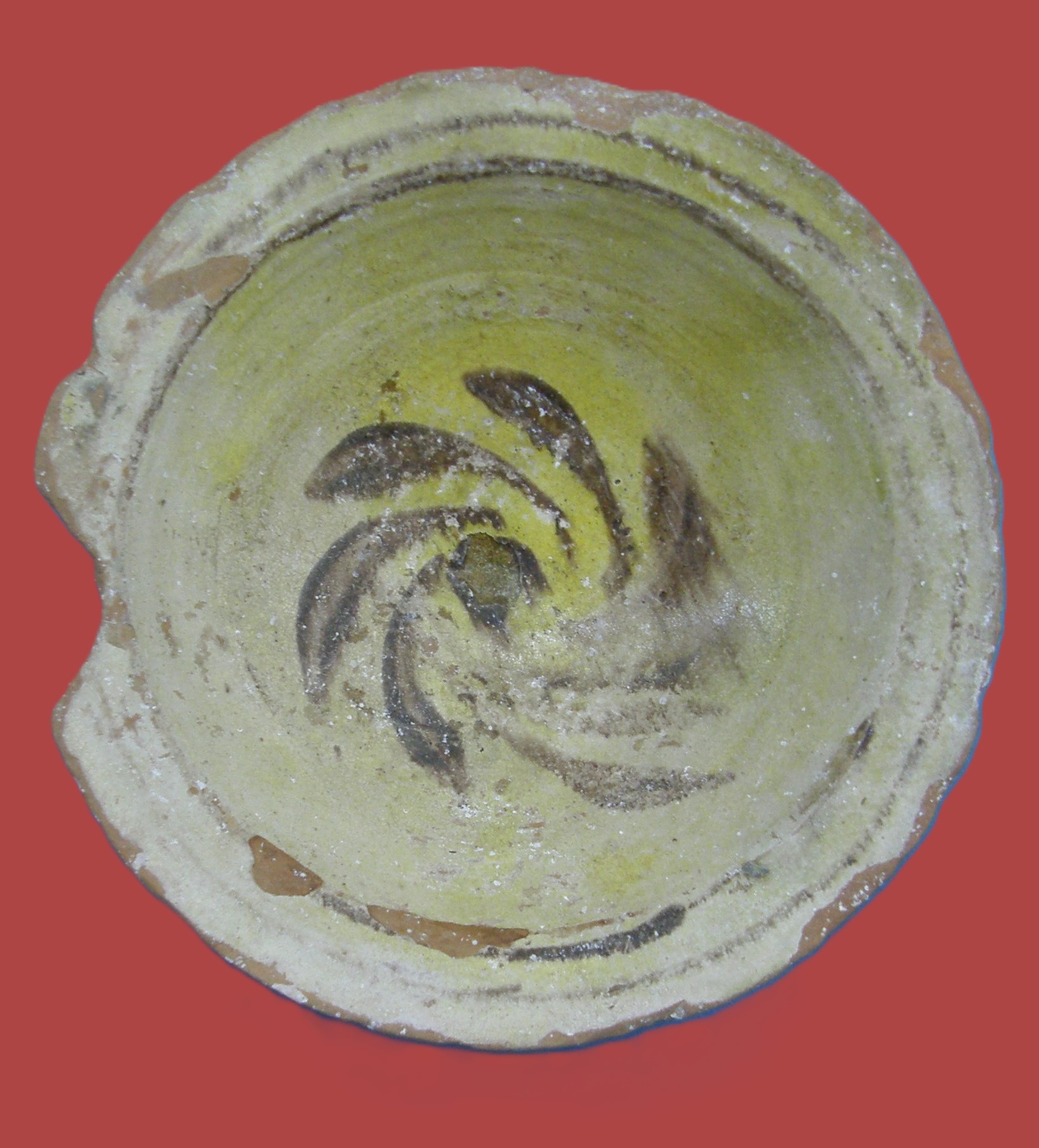
Small ceramic dish (ΗΠ2358), almost complete. It has a low ring foot, a hemispherical body with outward-sloping walls and a broad everted rim. The clay is reddish brown, with substantial surface deposits, and is covered by a thick yellow glaze. A brown painted plant motif radiates from the centre; two or possibly three brown rings encircle the rim. Provenance unknown. Post-Byzantine period.
04 / 6
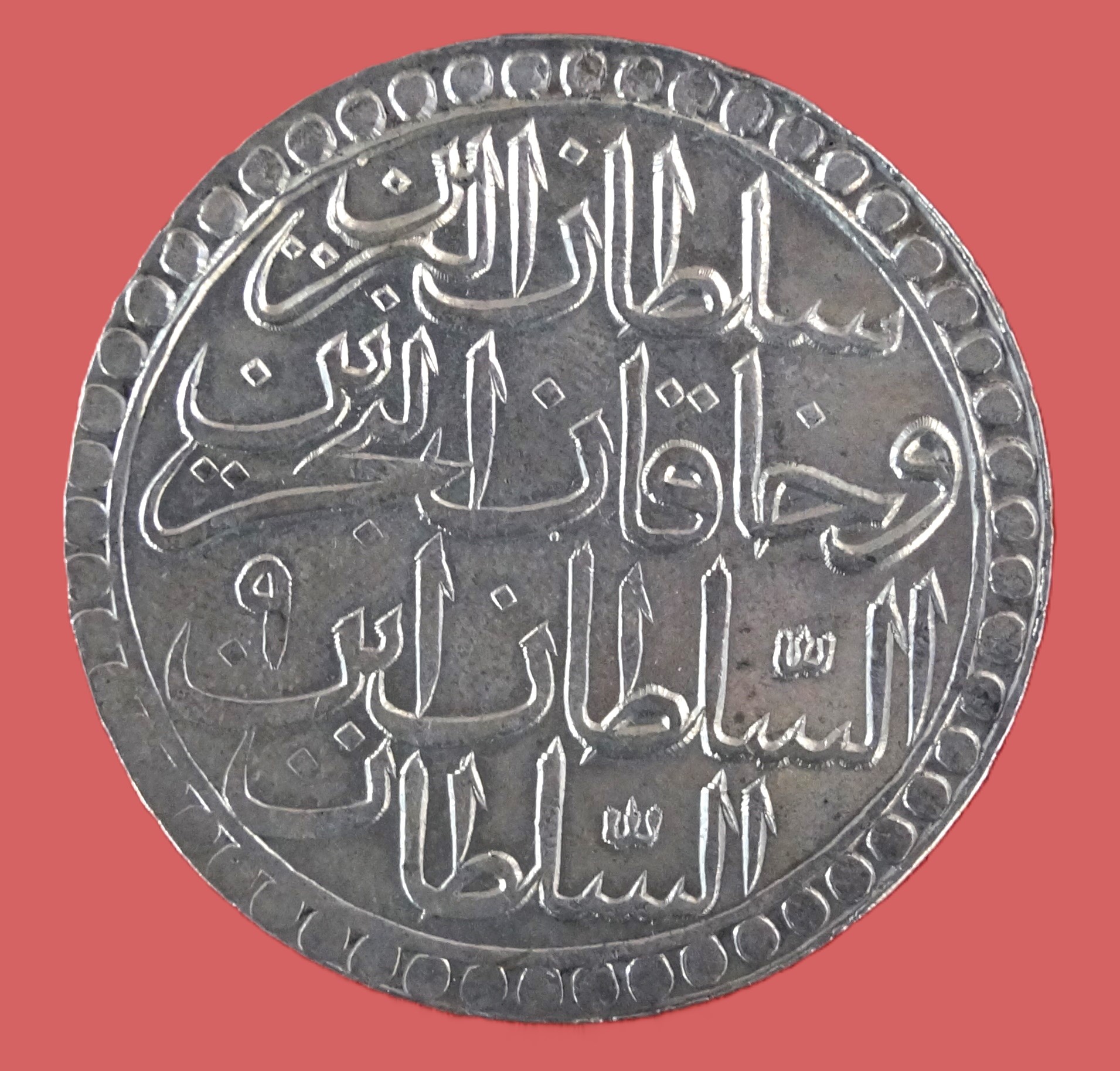
Ottoman coin (M3888), complete, made of silver or a metal alloy. Each face bears an inscription in four lines within a dotted border. On the reverse, a horizontal line separates the third and fourth lines. From ancient Elis. It belongs to a hoard of three Ottoman coins found in the south stoa of the ancient agora together with a hoard of Austrian coins. 18th century.
05 / 6
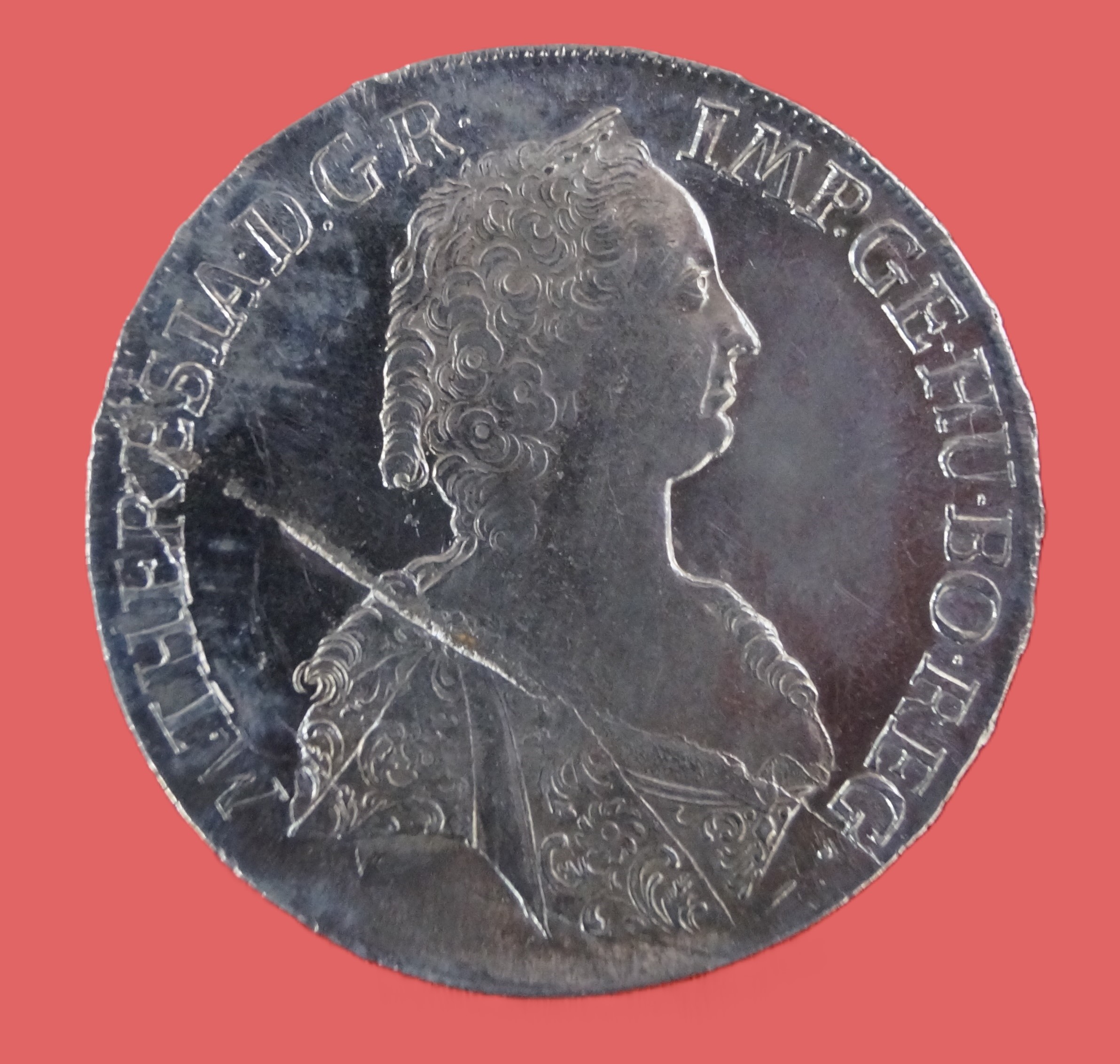
Austrian silver thaler of Maria Theresa (M3887), dated 1763. The obverse shows the empress in profile facing right, with her imperial titles around the edge and the letters S. C. below the bust. The reverse depicts a shield within the Habsburg double-headed eagle, with the letter G in a medallion below. From ancient Elis. It belongs to a hoard of nineteen Austrian coins found in the south stoa of the ancient agora together with an Ottoman coin hoard.

06 / 6
Bronze devotional pendant with the Virgin and Child and Latin inscriptions (HM729), 16th–17th century. From a grave in the Church of Saint Francis at Glarentza. Its western origin suggests a connection with the Latin community, possibly a Venetian man or woman who lived and died in Elis. The find indicates continued use of the church grounds for burial after Glarentza’s decline in the 15th century.
