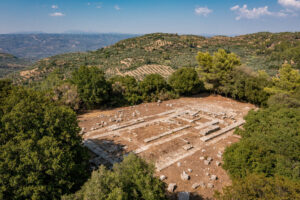
Κοντά στο σημερινό χωριό Σκιλλουντία, νότια του ποταμού Αλφειού, βρίσκονται τα απομεινάρια του ναού της Αθηνάς, αφιερωμένος από τους κατοίκους της αρχαίας Μακίστου στη κοινή τους θεά και θεά όλων των Ελλήνων.
Από το μνημείο σήμερα σώζεται μόνο η τρίβαθμη κρηπίδα και λιγοστά, διάσπαρτα αρχιτεκτονικά μέλη.
Ο άλλοτε εντυπωσιακός ναός ανήκει στο δωρικό ρυθμό και είναι κατασκευασμένος από εύθρυπτο κογχυλιάτη λίθο, ένα είδος τοπικού πωρόλιθου από τον οποίο έχουν κατασκευαστεί και τα μνημεία της Ιερής Άλτης της Ολυμπίας.
Σύμφωνα με τις μορφολογικές, ιστορικές και επιγραφικές μαρτυρίες η χρονολογία του ναού υπολογίζεται μεταξύ 525 – 460 π.Χ.
Τα αετώματα στη στέγη του ναού είχαν πλούσιο διάκοσμο με γλυπτικές συνθέσεις εμπνευσμένες από τη μυθολογία: η ανατολική πλευρά φιλοξενούσε παραστάσεις Γιγαντομαχίας ενώ στη δυτική πλευρά Αμαζονομαχίας.
Οι ανασκαφές του ναού πραγματοποιήθηκαν σε διάφορες χρονικές περιόδους, με εκκίνηση το 1880 από τους Ε. Καστόρχη και Π. Καββαδία.
Στη διάρκεια των ανασκαφικών εργασιών το 1978-1981, η ανακάλυψη μιας χάλκινης επιγραφής του 4ου π.Χ. αι. με ψήφισμα του κοινού των Τριφυλίων, που αναφέρεται στη θεά Αθηνά και σε πολίτες της Μακίστου, βοηθά στην ταυτοποίηση του ναού.
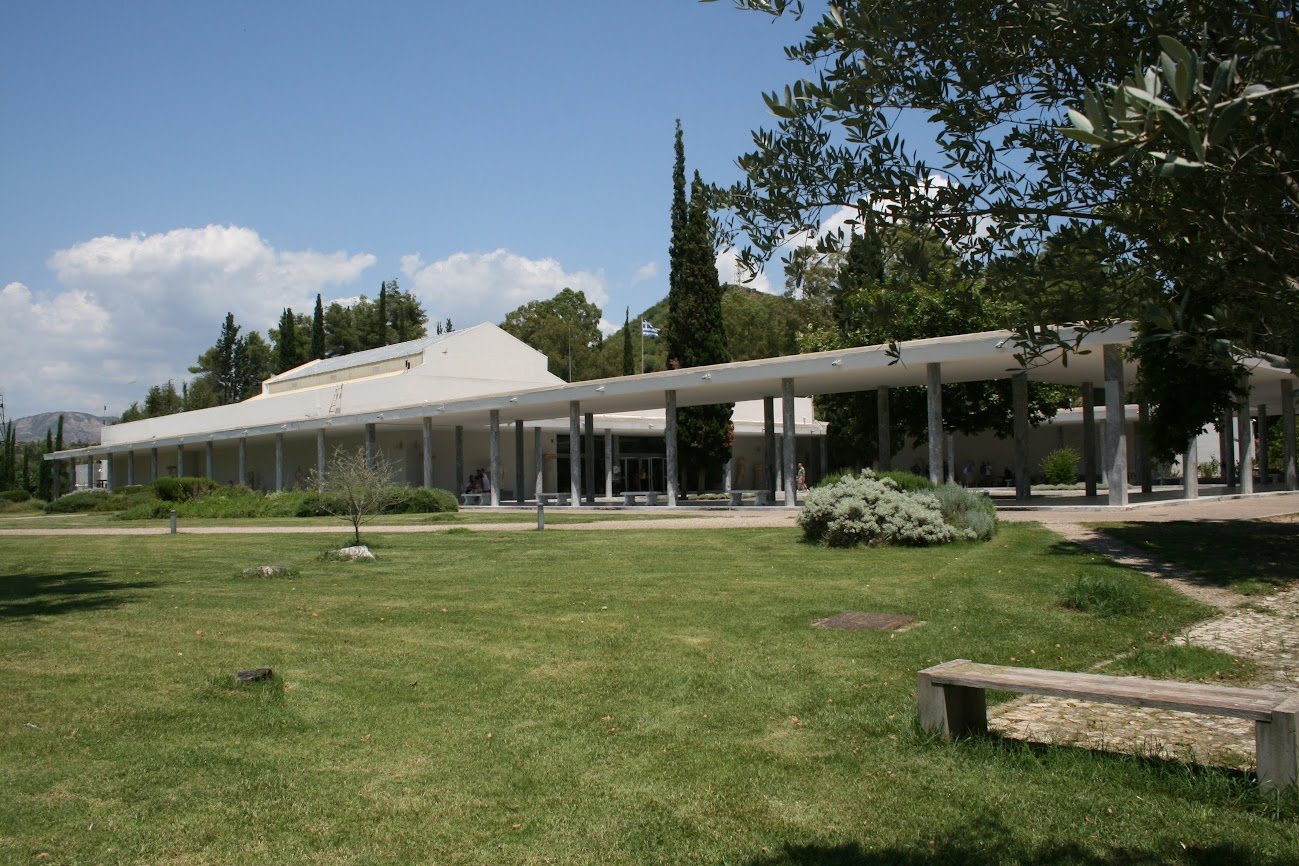
Πολλά από τα ευρήματα των ανασκαφών του ναού, όπως η χάλκινη επιγραφή που αναφέρθηκε παραπάνω, ή κάποιες μαρμάρινες γενειοφόρες κεφαλές μορφών και ένα άγαλμα γυμνού κρανοφόρου πολεμιστή που κοσμούσαν τα αετώματα, φιλοξενούνται σήμερα στο Αρχαιολογικό Μουσείο Πύργου.
Ι. Ναός Παμμεγίστων Ταξιαρχών. Ο βυζαντινός ναός των Παμμεγίστων Ταξιαρχών Μιχαήλ και Γαβριήλ βρίσκεται στον λόφο πάνω από τον παραδοσιακό οικισμό των Άνω Ταξιαρχών, σε απόσταση 15 χλμ. από τη Ζαχάρω Ηλείας. Αρχιτεκτονικά ο ναός ανήκει στον τύπο του μονόκλιτου σταυροειδούς εγγεγραμμένου με τρούλο και απολήγει ανατολικά σε τρίπλευρη αψίδα.
Ο ναός αναφέρεται στην καταγραφή της εκκλησιαστικής περιουσίας την περίοδο 1697 – 1700. Οι μελετητές τοποθετούν την χρονολόγηση του στα τέλη του 13ου αι. ως τις πρώτες δεκαετίες του 14ου αι.
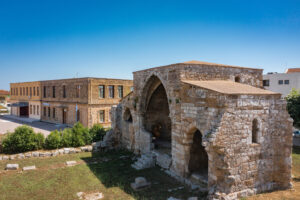
Ο γοτθικός ναός της Αγίας Σοφίας βρίσκεται στο κέντρο της Ανδραβίδας, αποτελώντας το μοναδικό ορατό κατάλοιπο της πόλης που υπήρξε μεσαιωνική πρωτεύουσα του Πριγκιπάτου της Αχαΐας. Τον ναό της Αγίας Σοφίας ίδρυσε το τάγμα των Δομινικανών μοναχών κατά το πρώτο μισό του 13ου αι.
Σήμερα από τον ναό διατηρούνται μόνο το ιερό βήμα, τα δύο τετράγωνα παρεκκλήσια δεξιά και αριστερά του ιερού βήματος που καλύπτονται από σταυροθόλια με νευρώσεις και η θεμελίωση των πλάγιων τοίχων και των τοξοστοιχιών.
Για την τοιχοποιία χρησιμοποιήθηκαν μεγάλοι πωρόλιθοι καθώς και παλαιότερα βυζαντινά γλυπτά.
Η οικοδόμηση του ναού με τις έντονες γοτθικές επιρροές, φαίνεται να υλοποιήθηκε σε διαφορετικές περιόδους.
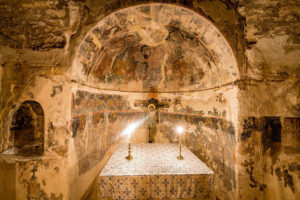
Ι. Ναός Αγίου Βλασίου Δάφνης.Πρόκειται για το καθολικό μιας μικρής μεταβυζαντινής μονής που ήταν μετόχι του Μονής Δοχειαρίου του Αγίου Όρους. Χρονολογείται τον 17ο αι. Στο εσωτερικό του σώζεται ακόμα τμήμα από τον τοιχογραφικό του διάκοσμο. Σήμερα ο ναός λειτουργεί ως ξωκλήσι και γιορτάζει στις 11 Φεβρουαρίου.
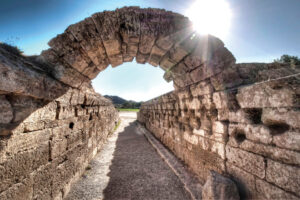
Η Κρυπτή Στοά, αποτελεί ένα από τα πιο χαρακτηριστικά αρχιτεκτονικά στοιχεία της Ολυμπίας. Κατασκευασμένη στα τέλη του 3ου αιώνα π.Χ., η στοά αυτή λειτουργούσε ως μνημειακή είσοδος στο Στάδιο για τους αθλητές που συμμετείχαν στους Ολυμπιακούς Αγώνες.
Η καμαροσκεπής στοά είχε μήκος περίπου 32 μέτρα και ήταν κατασκευασμένη από πωρόλιθο.
Το όνομά της, “Κρυπτή,” αναφέρεται στην ημι-υπόγεια φύση της, καθώς η στοά καλυπτόταν από το δυτικό πρανές του Σταδίου.
Σήμερα, η Κρυπτή αποτελεί ένα από τα πιο καλά διατηρημένα μέρη του αρχαίου σταδίου της Ολυμπίας και συνεχίζει να εντυπωσιάζει τους επισκέπτες για την αρχιτεκτονική και την ιστορική της σημασία.
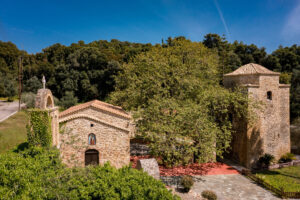
Η Ιερά Μονή Παναγίας Ελεούσης Λυγιάς είναι κτισμένη τον 9ο μ.Χ. αιώνα μέσα σε ένα βαθύ καταπράσινο φαράγγι κοντά στο χωριό Λυγιά Βαρθολομιού.
Η μονή πήρε το όνομά της από μια εικόνα της Παναγίας που βρέθηκε σε παρακείμενη σπηλιά και της έδωσαν το επίθετο “Ελεούσα” ζητώντας της την προστασία των κατοίκων της περιοχής.
Εκτός από το καθολικό, σήμερα διατηρείται αποκατεστημένος πύργος εντός του περιβόλου της μονής.
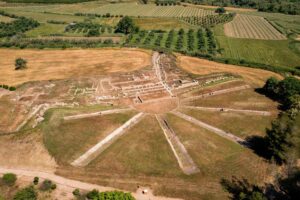
Η Ήλιδα, το απομεινάρια της οποίας σήμερα σώζονται στην κοιλάδα του ποταμού Πηνειού υπήρξε το κέντρο διοίκησης και η μεγαλύτερη σε πληθυσμό πόλη του ομώνυμου κράτους των Ηλείων.
Έχοντας υπό την κηδεμονία της το ένδοξο ιερό του Διός στην Ολυμπία απέκτησε ανάμεσα στους Έλληνες φήμη και σεβασμό ως η μητρόπολη των Ολυμπιακών Αγώνων. Όλη η επικράτεια του αρχαίου κράτους της Ήλιδας του οποίου τα όρια περίπου ταυτίζονται με την σημερινή Ηλεία, ήταν ιερή και υπό την προστασία του Δία, λόγω του ιερού της Ολυμπίας, κάτι που αναγνώριζαν και σέβονταν οι υπόλοιποι Έλληνες.
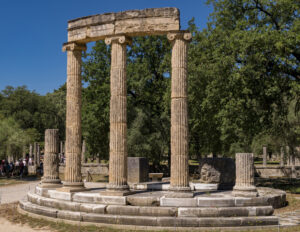
Το Φιλιππείο, το μοναδικό κυκλικό οικοδόμημα στον ιερό χώρο της Άλτεως στην Ολυμπία, είναι ένα εξαιρετικό δείγμα της αρχαίας ελληνικής αρχιτεκτονικής. Κατασκευάστηκε σε περίοπτη θέση, στα δυτικά του ναού της Ήρας, και αποτελεί έναν μνημειακό φόρο τιμής στη νίκη του Φιλίππου Β΄ της Μακεδονίας στη μάχη της Χαιρώνειας το 338 π.Χ. η οποία εξασφάλισε την ηγεμονία των Μακεδόνων στον ελληνικό κόσμο.
Το κυκλικό αυτό μνημείο είναι κτισμένο από ασβεστόλιθο και μάρμαρο και περιβάλλεται από κίονες ιωνικού ρυθμού, ενώ στο εσωτερικό του έφερε κίονες κορινθιακού ρυθμού. Μετά τον θάνατο του Φιλίππου το 336 π.Χ., το έργο ολοκληρώθηκε από τον γιο του, Μέγα Αλέξανδρο. Το εσωτερικό του φιλοξενούσε αγάλματα της Βασιλικής οικογένειας: του Φιλίππου, του Αλεξάνδρου, της Ολυμπιάδας, του Αμύντα και της Ευρυδίκης, έργα του διάσημου γλύπτη Λεωχάρη.
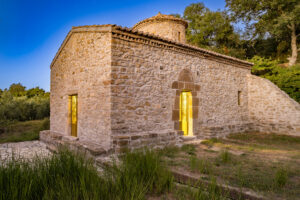
Ι. Ναός Αγίου Βλασίου Δάφνης. Πρόκειται για το καθολικό μιας μικρής μεταβυζαντινής μονής που ήταν μετόχι του Μονής Δοχειαρίου του Αγίου Όρους. Χρονολογείται τον 17ο αι. Στο εσωτερικό του σώζεται ακόμα τμήμα από τον τοιχογραφικό του διάκοσμο. Σήμερα ο ναός λειτουργεί ως ξωκλήσι και γιορτάζει στις 11 Φεβρουαρίου.
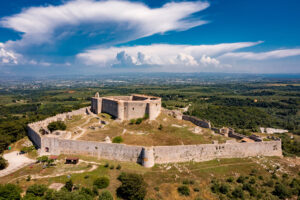
Το Κάστρο Χλεμούτσι, είναι χτισμένο στην κορυφή ενός λόφου κοντά στο λιμάνι της Κυλλήνης. Η φυσικά οχυρή αυτή θέση, επιτρέπει ανεμπόδιστη θέα και κατόπτευση της πεδιάδας της Ηλείας και του Ιονίου πελάγους.
Το κάστρο ιδρύθηκε το 1220-1223 από τον ηγεμόνα Γοδεφρείδο Α΄ Βιλλεαρδουίνο και αποτέλεσε το ισχυρότερο φρούριο του φράγκικου πριγκηπάτου της Αχαΐας, που γνώρισε ιδιαίτερη ακμή κατά την εποχή των Βιλλεαρδουίνων.
Το κάστρο προστάτευε την πρωτεύουσα του πριγκιπάτου Ανδραβίδα και το σημαντικό λιμάνι της Γλαρέντζας.
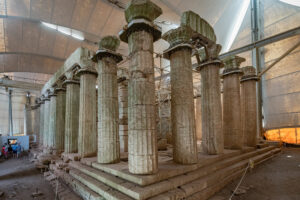
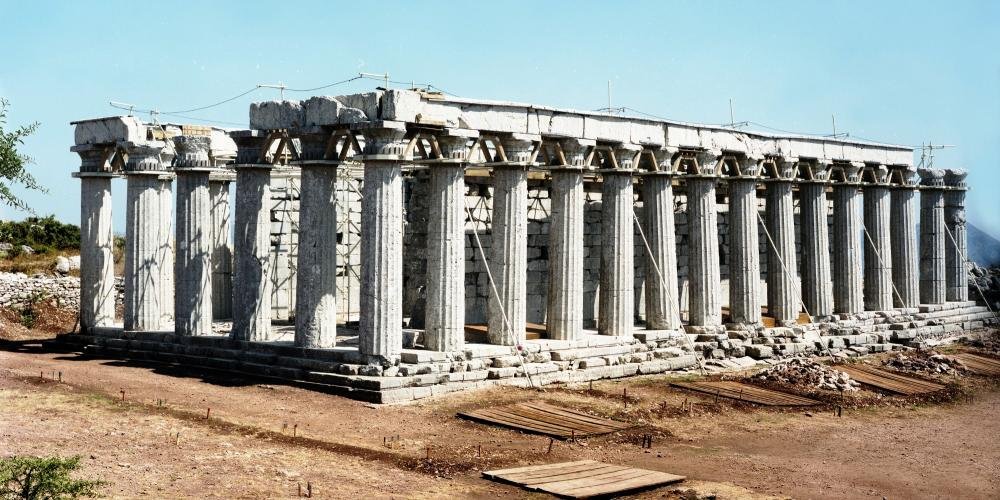
Κτισμένος σε υψόμετρο 1130 μ., στο ορεινό, μοναχικό Αρκαδικό τοπίο των Βασσών Φιγαλείας, o περικαλλής Ναός του Απόλλωνος Επικούριου αποτελεί ένα από τα καλύτερα σωζόμενα παραδείγματα ναών της κλασσικής εποχής, με συντηρητικές και συνάμα πρωτοποριακές ιδιαιτερότητες. Οι πολλές και ενδιαφέρουσες ιδιαιτερότητές του τον καθιστούν σταθμό στην ιστορία της αρχαίας ελληνικής αρχιτεκτονικής.
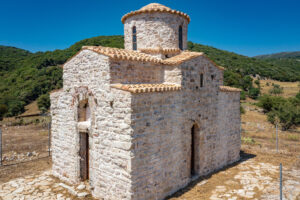
Ι. Ναός Παμμεγίστων Ταξιαρχών. Ο βυζαντινός ναός των Παμμεγίστων Ταξιαρχών Μιχαήλ και Γαβριήλ βρίσκεται στον λόφο πάνω από τον παραδοσιακό οικισμό των Άνω Ταξιαρχών, σε απόσταση 15 χλμ. από τη Ζαχάρω Ηλείας. Αρχιτεκτονικά ο ναός ανήκει στον τύπο του μονόκλιτου σταυροειδούς εγγεγραμμένου με τρούλο και απολήγει ανατολικά σε τρίπλευρη αψίδα.
Ο ναός αναφέρεται στην καταγραφή της εκκλησιαστικής περιουσίας την περίοδο 1697 – 1700. Οι μελετητές τοποθετούν την χρονολόγηση του στα τέλη του 13ου αι. ως τις πρώτες δεκαετίες του 14ου αι.
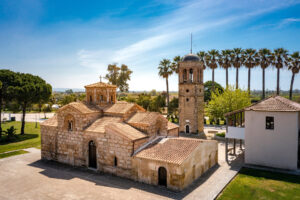
Ι.Ν. Κοιμήσεως της Θεοτόκου – Παναγία Καθολική Γαστούνης.
Βρίσκεται στις δυτικές παρυφές της Γαστούνης και η ανέγερσή του έγινε τον 13ο αι. (1278/9), σύμφωνα με επιγραφή της αψίδας.
Η λέξη ‘Καθολική’ είτε συνδέεται με τη λειτουργία της κατά τη μεταβυζαντινή περίοδο ως καθεδρικού (δηλαδή καθολικού) ναού της επισκοπής Ωλένης, είτε ως ανάμνηση της χρήσης της ως καθολικού ναού (δηλαδή ενοριακής εκκλησίας) του βυζαντινού οικισμού.
Πρόκειται για δικιόνιο σταυροειδή εγγεγραμμένο ναό με τριμερή νάρθηκα, οκτάπλευρο τρούλο με οδοντωτό γείσο και τρίπλευρη αψίδα.
Είναι χτισμένος σύμφωνα με το πλινθοπερίκλειστο σύστημα τοιχοποιίας και στην κατασκευή του έχουν χρησιμοποιηθεί αρχιτεκτονικά μέλη σε δεύτερη χρήση.
Ο ναός διέθετε τοιχογραφικό διάκοσμο σύγχρονο με την κατασκευή του, που σήμερα όμως σώζεται αποσπασματικά. Σε καλύτερη κατάσταση διατηρείται ο τοιχογραφικός διάκοσμος που χρονολογείται στα 1702 που χρηματοδότησε ο επίσκοπος Ωλένης Ιωαννίκιος Νείρος.