Visit-olympia : Οργανώστε ένα μοναδικό ταξίδι στα μνημεία και αξιοθέατα της Ηλείας και δημιουργήστε τη δική σας επική εμπειρία. Kάντε κλικ εδώ
Visit-olympia : Οργανώστε ένα μοναδικό ταξίδι στα μνημεία και αξιοθέατα της Ηλείας και δημιουργήστε τη δική σας επική εμπειρία. Kάντε κλικ εδώ

Pyrgos Archaeological Museum

The Late Helladic period (I–III), better known as the Mycenaean period (1600–1100 BC), was a particularly flourishing phase of the Bronze Age.
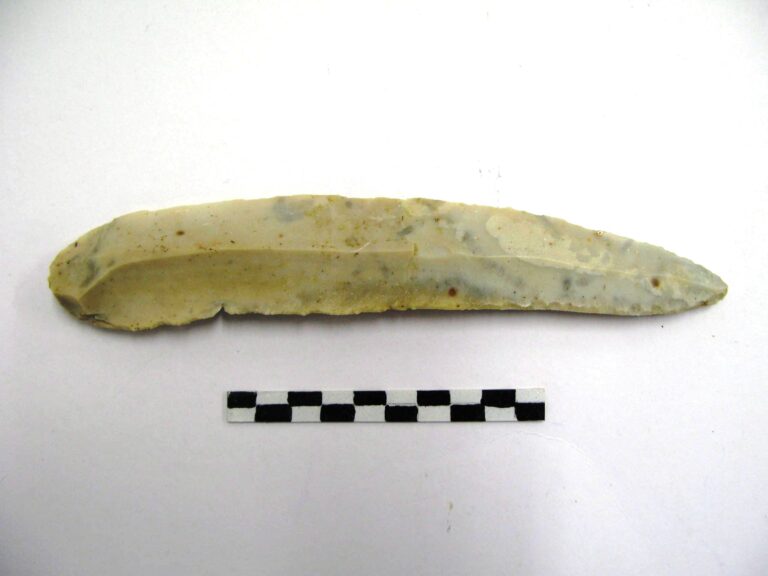
The rich offerings from Mycenaean cemeteries reveal a prosperous society. Finds illustrate social differentiation and occupations including hunting, farming, livestock breeding, pottery, weapon-making, metalworking, perfume production, stone carving and jewellery-making, represented by a stone mould for a ring bezel.
During the Late Bronze Age, settlements in Elis were strategically organised along natural land routes and waterways that served as important communication corridors.
Settlements occupied positions linking the northern and southern Peloponnese. Important places along these routes included Epitalio, Samikon, Kakovatos and Lepreon.
Rivers appear to have played a crucial role in the settlement network. Some stretches may have been navigable during the Late Bronze Age, facilitating movement and communication.
Settlements along the Peneios developed at Klindia, Agrapidochori and Agia Triada.
Rivers and land passages provided access to the interior of the Peloponnese and connections with the Ionian coast, encouraging trade and communication.
This network shows that Elis actively participated in contemporary transport and exchange, challenging the older view of an isolated region.
Investigations by the responsible Ephorate of Antiquities between 1990 and 2010 uncovered significant Mycenaean burial monuments and changed perceptions of a sparsely inhabited prehistoric region. Discoveries include large chamber-tomb cemeteries at Agia Triada, Kladeos and Mageiras, and tomb groups at Pefkes, Strefi, Arvanitis and Kafkania.
The number of settlement sites increased during Late Helladic III.
A major difficulty in studying Mycenaean Elis is the scarcity of settlement remains. Most sites are known primarily through burials. The first substantial settlement excavated to address this gap was found at Triantafyllia, Koryfi.
These discoveries contribute to a new understanding of Mycenaean Elis. Although overshadowed by major Peloponnesian centres such as Mycenae and Pylos, it appears to have played a more substantial role than previously thought.

Complete krater with painted figurative decoration (Π13850), used as a grave marker. Each side depicts two chariots with their drivers, recalling the games described by Homer in honour of Patroklos, Achilles’ companion. The original museum interpretation associates the scene with chariot racing, warrior burial customs and the rendering of honours. Made in an Elean workshop, it is an outstanding example of Mycenaean vase painting. From the Mycenaean cemetery at Kioupia, Mageiras, near Ancient Olympia. 12th–11th century BC.

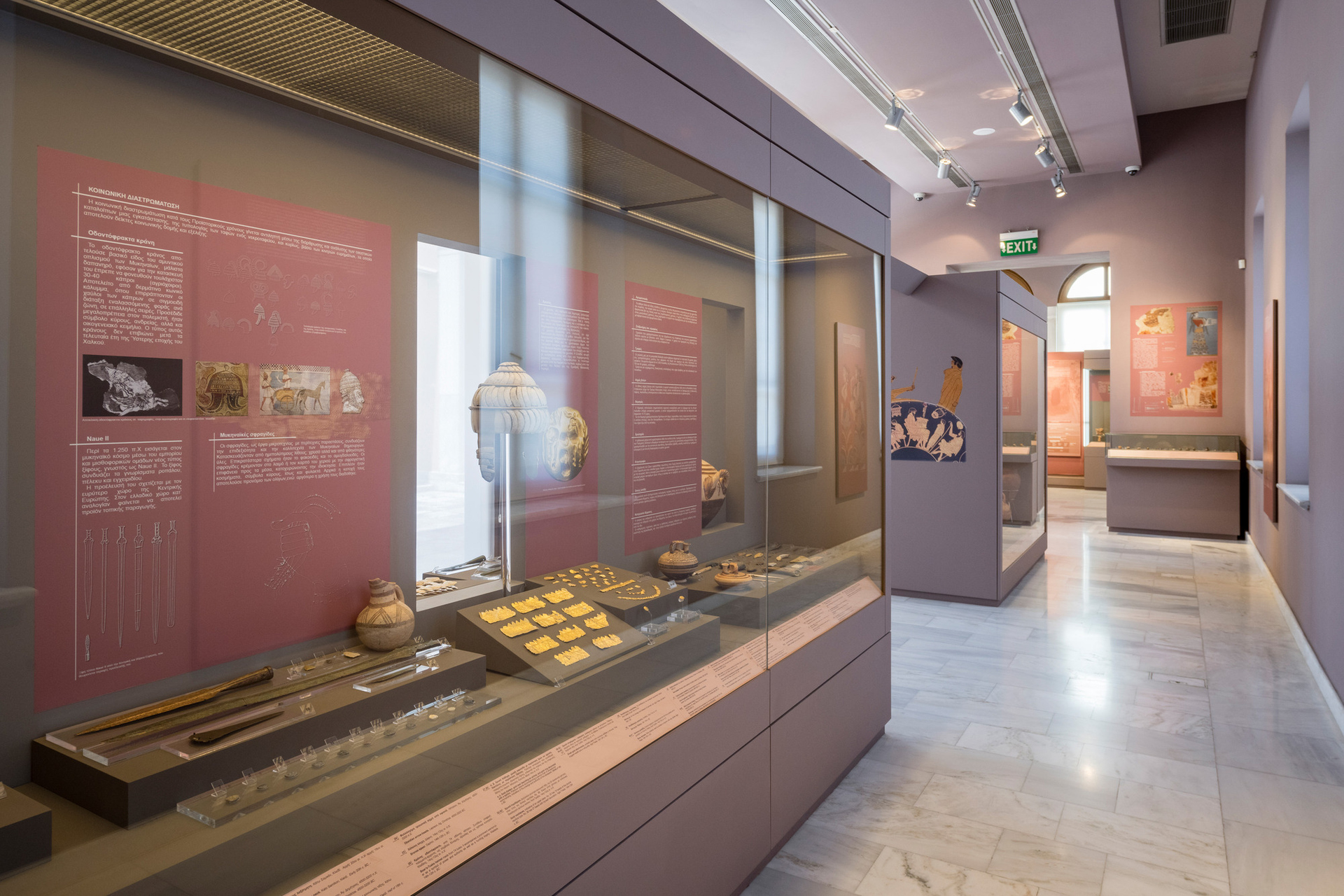


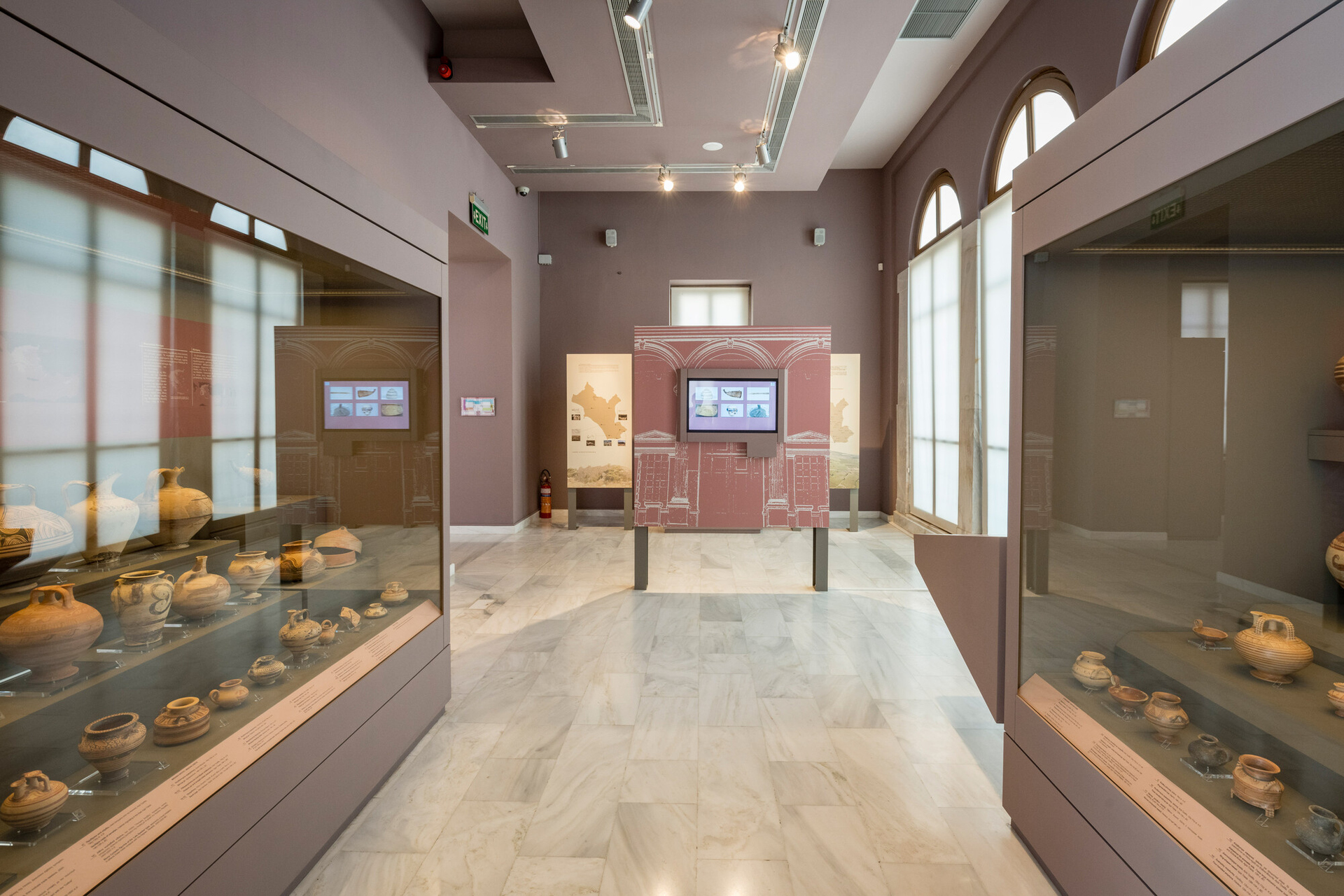

Mycenaean period, Late Helladic, second half of the 16th–12th century BC.
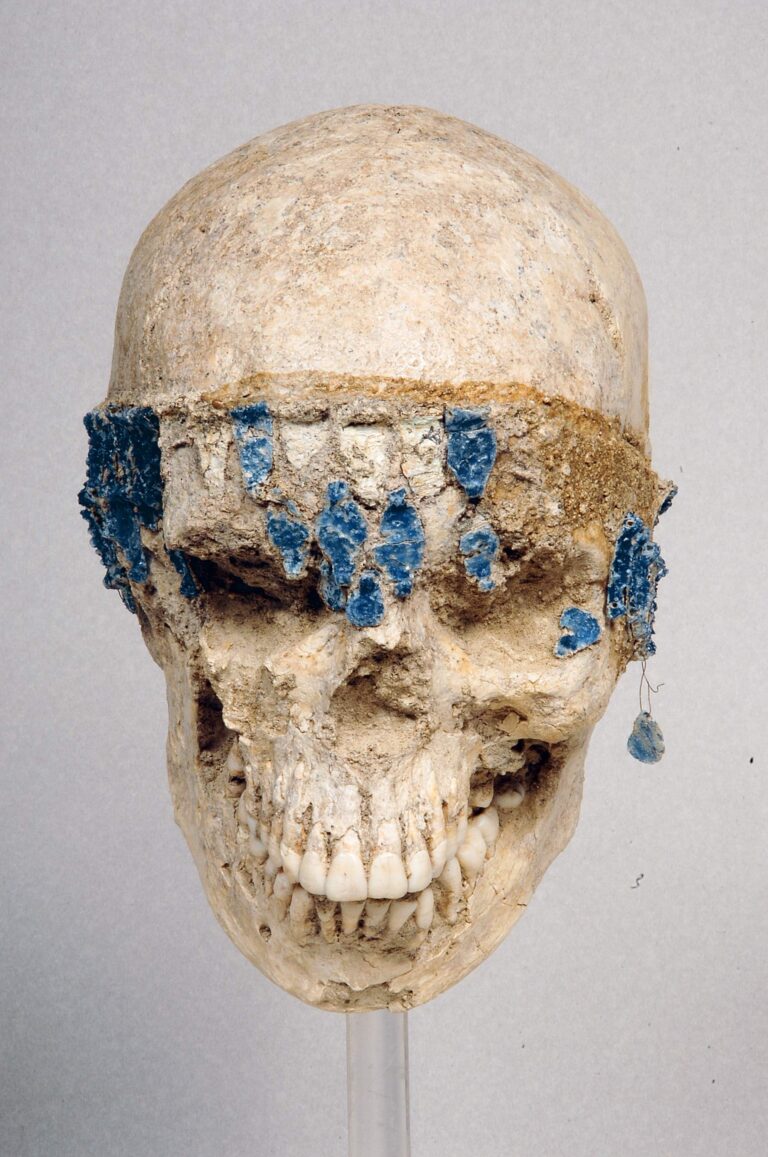
An important Mycenaean grave offering. Drops of blue glass paste survive on the three-part handle and on the discs articulating this composite vessel. It bears painted decoration; its precise function remains uncertain.
From Palioboukouvina, Agia Triada.

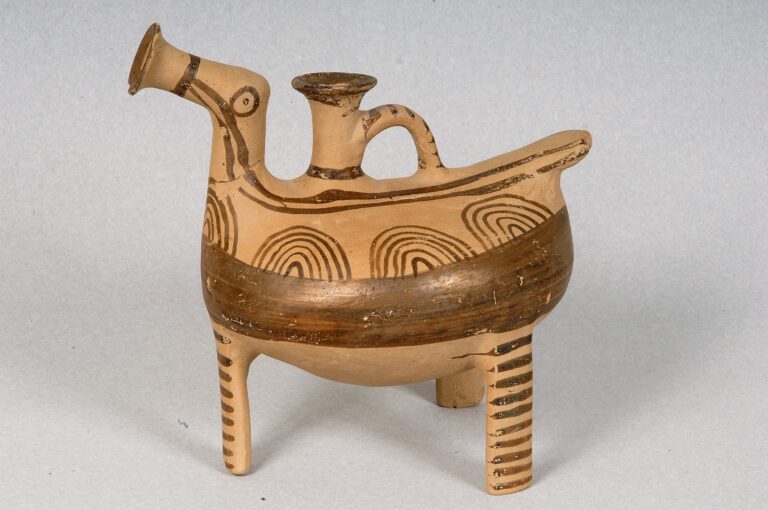
Mycenaean period, Late Helladic IIIC, 12th century BC.
A bird-shaped vessel with an askos-like body, neck and tail, standing on a ring foot. It has a cylindrical mouth, a strap handle on the back near the neck and a convex rim. The spout and base are fully painted. Transverse lines decorate the handle, while concentric semicircles and panels with semicircles cover the body. A grave offering.
From Trypes, Kladeos.