Visit-olympia : Οργανώστε ένα μοναδικό ταξίδι στα μνημεία και αξιοθέατα της Ηλείας και δημιουργήστε τη δική σας επική εμπειρία. Kάντε κλικ εδώ
Visit-olympia : Οργανώστε ένα μοναδικό ταξίδι στα μνημεία και αξιοθέατα της Ηλείας και δημιουργήστε τη δική σας επική εμπειρία. Kάντε κλικ εδώ

Pyrgos Archaeological Museum
Twenty-four objects tell stories of life, belief, craftsmanship and exchange in Elis.
Open each description to learn more. Select a photograph to view the image at full size in a new tab.

01 / 24
Fragments of a bronze chain with a cross and coin, from Bassae.

02 / 24
Full-page portrait of an Evangelist from the Gospel book of Poretsos Monastery (ΗΔ700). The manuscript (codex) is made of stiff parchment, prepared animal skin, and dates to the 14th century AD. The four-Gospel book contains the sacred accounts of the life and teaching of Jesus Christ in the Gospels of Mark, Luke, John and Matthew, which are fundamental to Christianity. Producing a manuscript took many months and required skill in copying texts and creating elaborate illustrations. Apart from a paper codex kept at Skafidia Monastery, this Gospel book, displayed in the museum, is the only such manuscript to have survived in Ilia.

03 / 24
Slab carved on both sides (ΗΛ891), possibly from an ambo. One face bears a simple cross with flared arms within a rectangular panel. On the other, two concentric grooves frame a medallion containing a cross. From Frangavilla Monastery. Early Christian period.

04 / 24
Six complete cannonballs and ten smaller fragments (ΗΜ1250). Made of heavy, solid metal and spherical in shape, with a small spherical cavity formed in their core during casting. Their diameters range from 7 to 12 cm. The fragmentary examples vary in size and shape. From Chlemoutsi Castle.

05 / 24
Inscribed river pebble — the Kafkania pebble (Λ01125). Reported as coming from the destruction layer of a Middle Helladic house (c. 1650 BC). One side bears eight incised syllabic signs: five occur in both Linear A and Linear B, while three occur only in Linear B. The reading presented in the museum associates the signs with an occupation, possibly metalworking, and a personal name corresponding to the Greek name Charops. The other side bears an incised double axe flanked by two undeciphered syllabic signs, possibly connected with a ritual act. In Minoan Crete, the double axe is associated with ritual practices. The proposed dating of the inscription to the mid-17th century BC, when Linear A was still used in Minoan Crete, has been interpreted as supporting the development of Linear B on the Greek mainland.
06 / 24
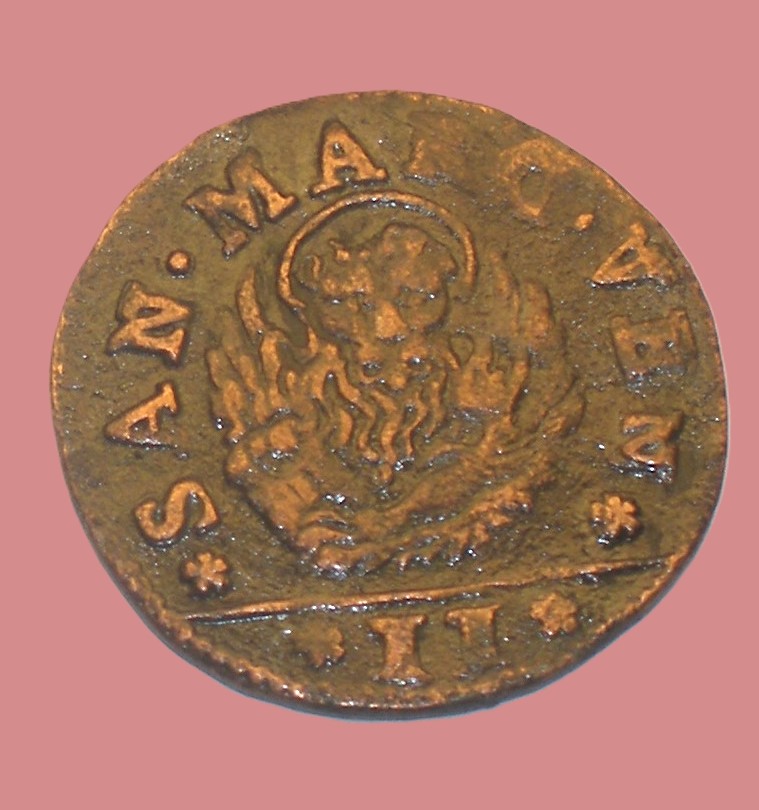
Venetian bronze coin (ΒΕ1466α). Obverse: the Lion of Saint Mark, the emblem of Venice. Reverse: the clearly legible inscription ARMATA ET MOREA. From the area of Agrapidochori. Post-Byzantine period.
07 / 24
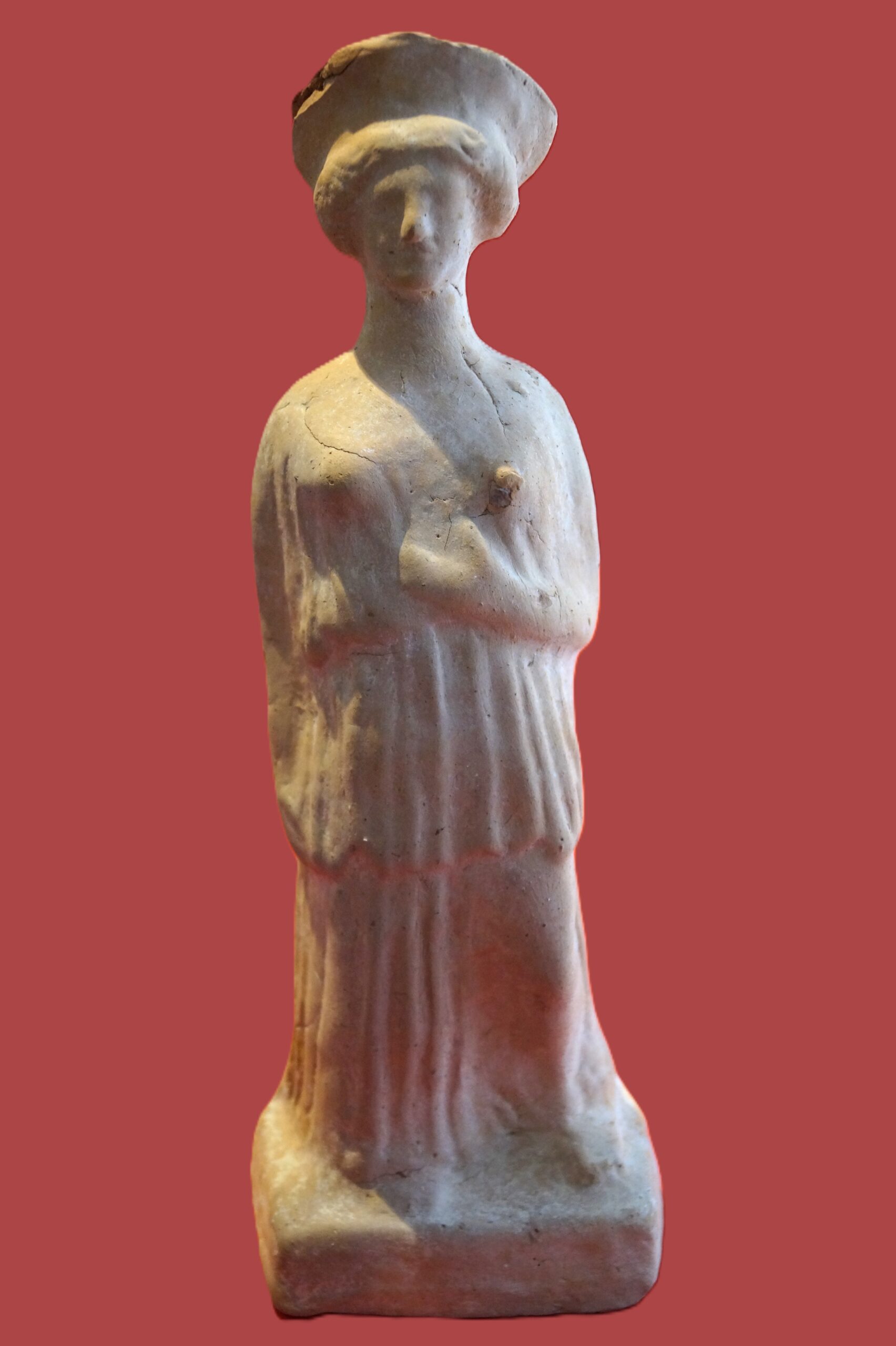
Terracotta female figurine (Π4039), complete and mould-made, possibly depicting a deity. Figurines were offered to the gods and often accompanied the dead into the afterlife. From Andravida, where it was deposited as a grave offering in a burial pithos. 4th century BC.
08 / 24
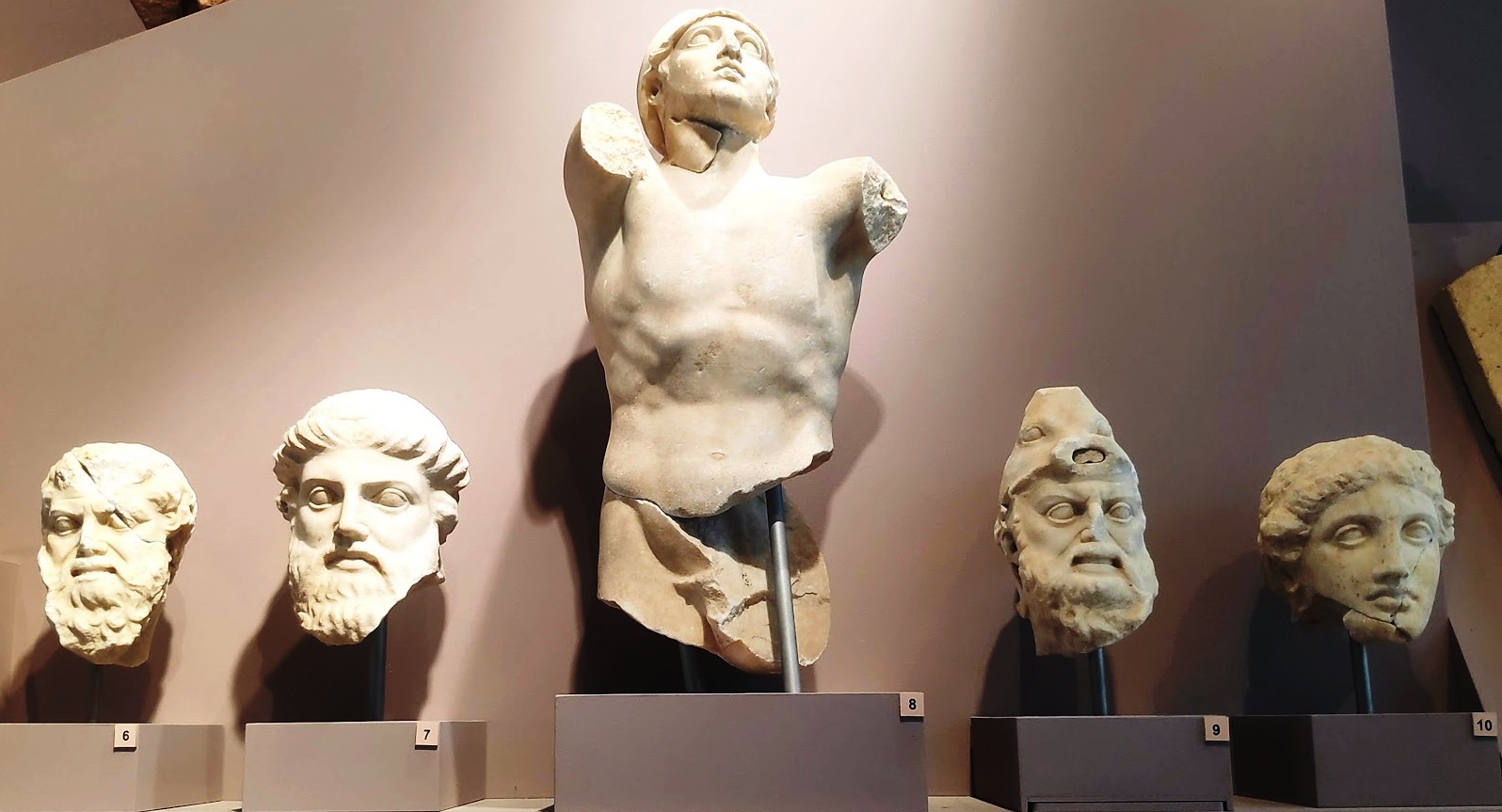
Sculptural decoration from the Temple of Athena at Mazi, Skillountia.

09 / 24
Bronze lamp (Br5849), with a handle ending in a cross. From Olympia. 5th–7th century AD.

10 / 24
Bronze reliquary cross (Μ788), with slightly flared arms. A simple suspension ring survives at the top and a hinge at the bottom, where the second half of the cross would have been attached. The front bears a relief of the Crucifixion, with Christ in the centre and Saint John and the Mother of God on either side. The accompanying inscriptions mean “Behold your son” and “Behold your mother”. Christ wears a long tunic and a cruciform halo. The sun and moon appear on either side of the cross. From Ladiko, near Makrisia in the Krestena area. Byzantine period.
11 / 24
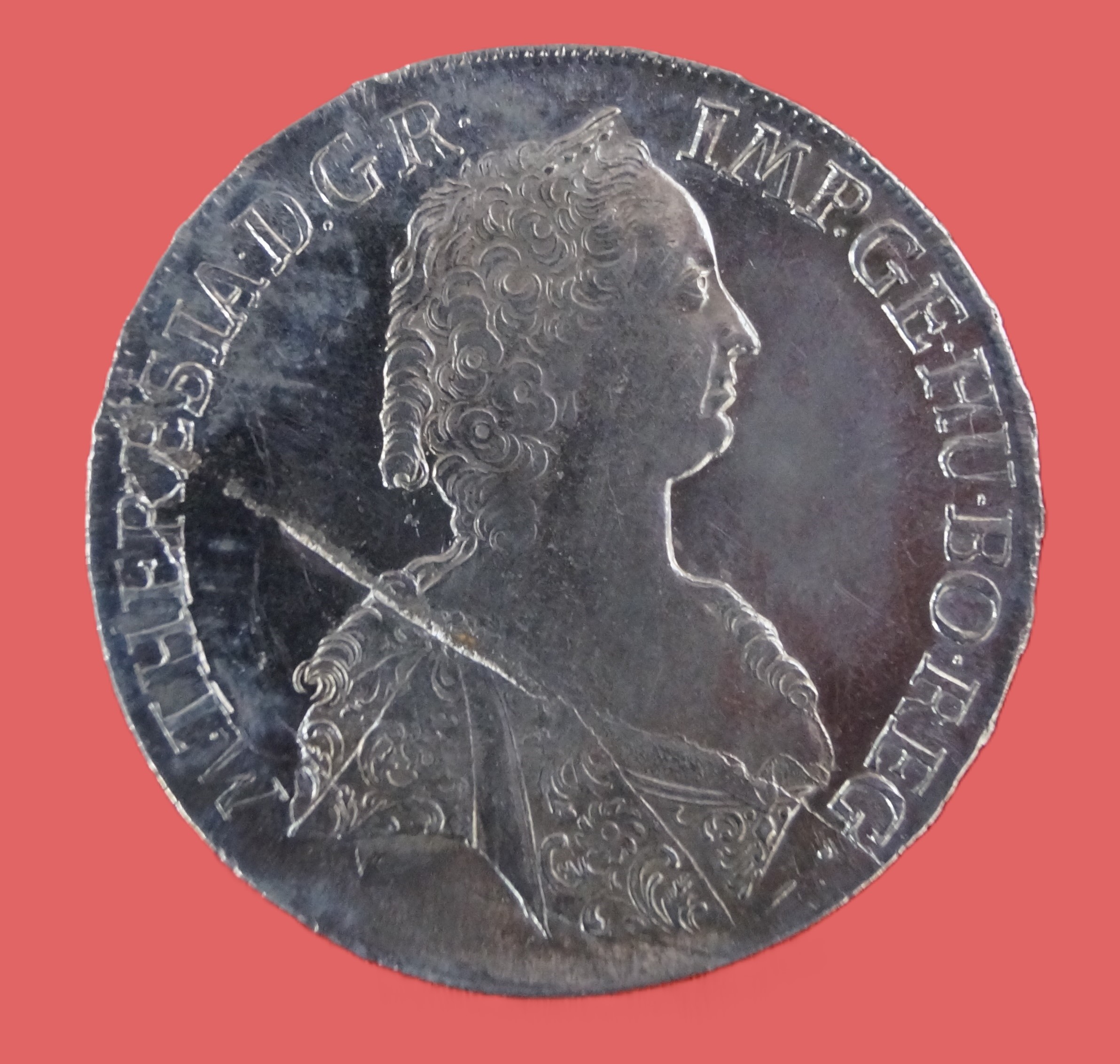
Austrian silver thaler of Maria Theresa (M3887), complete. The obverse bears her bust facing right, surrounded by the inscription transcribed in the catalogue as M.TEIRESIA.D.G.IMP.GE.HU.BO.REG.; S. C. appears below the imperial bust. On the reverse, a coat of arms is surrounded by the haloed double-headed eagle of the Habsburg dynasty. Beneath its feet, the letter G appears within a medallion. The surrounding inscription is transcribed as BURG.COTYR.1763.X ARCHID.AUST.DUX. From ancient Elis, part of a hoard of 19 Austrian coins found in the south stoa of the ancient agora together with a hoard of Ottoman coins. Minted in 1763.
12 / 24
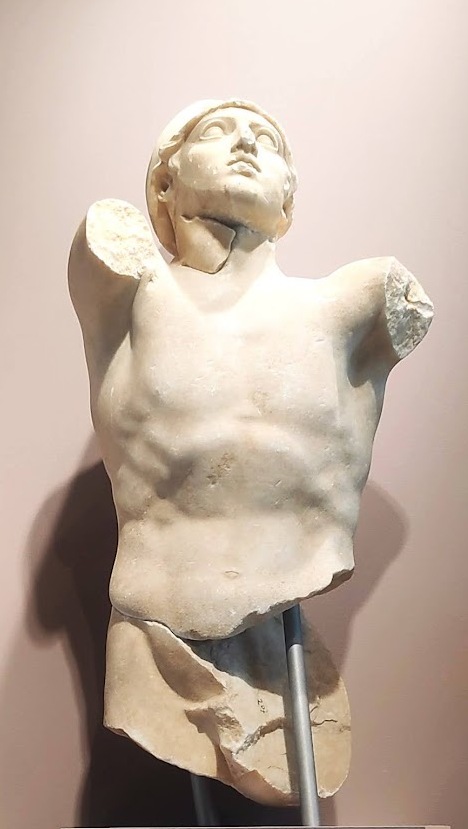
Marble figure of a nude warrior wearing a helmet (Λ2090), reassembled from three fragments. It survives to the upper thighs; only the beginnings of the upper arms remain. The left hip and part of the pubic area are also missing. The figure wears a Corinthian helmet with a concave neck guard. One hole survives on the left shoulder blade, with traces of two more at the broken left upper arm. The body combines lightness with dynamic movement. From the west pediment of the Temple of Athena at Skillountia, depicting an Amazonomachy, a battle between Greeks and Amazons.

13 / 24
Proto-majolica bowl (ΗΠ1863ι). Its white, opaque, tin-based glaze covers the entire interior and only the area around the rim on the exterior. The surviving painted decoration on the rim consists of a sequence of dark-brown semicircles or small arches. Immediately below the rim on the interior is a chevron band. The floor bears a medallion outlined by a broad dark-brown band and filled with a brown lattice pattern.

14 / 24
Stone basin used as a metal-melting vessel (ΗΛ847). Its body is tall and relatively enclosed, with a thick floor and a flat base. At one end, the rim forms a spout with a roughly half-conical exterior. Deposits from molten cast iron survive inside, with traces on the outside as well. Post-Byzantine period.

15 / 24
Bronze ring (Μ1369). The flat, circular bezel has a dotted border and a stamped image of an eagle with outspread wings and its head turned to its right, the viewer’s left. Byzantine period.

16 / 24
Complete, pear-shaped oil lamp from a North African workshop (ΗΠ935). Early Christian period. The centre of the discus bears a Christogram in relief and two oil-filling holes. The shoulder is decorated in relief with alternating triangles and squares. From the area of Agios Andreas, Tigani at ancient Pheia.

17 / 24
Jug (Π4131), missing about two-thirds of its neck and rim, which appears to have been trefoil-shaped. It has a thick white glaze with crazing. The front of the body bears a floral motif in purple and ochre. Glazed pottery from workshops in southern, central and northern Italy dates from the 13th to the 18th century. Imported Italian pottery found in Ilia attests to active trade during the Principality of Achaea, continuing under Ottoman rule. From the area of ancient Elis.

18 / 24
Bird-shaped terracotta vessel (Π8918), with a bag-shaped body, neck and bird’s tail, standing on a ring base. It has a cylindrical mouth, an everted rim and a strap handle on its back near the neck. The spout and base are fully painted; transverse lines decorate the handle, and concentric semicircles and panels containing semicircles decorate the body. Grave offering from Trypes, Kladeos. Mycenaean period, Late Helladic IIIC (12th century BC).

19 / 24
Mousterian flint point (Λ1932), used for hunting by Neanderthals. Although no human bones have been identified in Ilia, their presence and activity are attested by their artefacts and tools. From the area of Kastro, Kyllini. Middle Palaeolithic (100,000–35,000 BC).
20 / 24
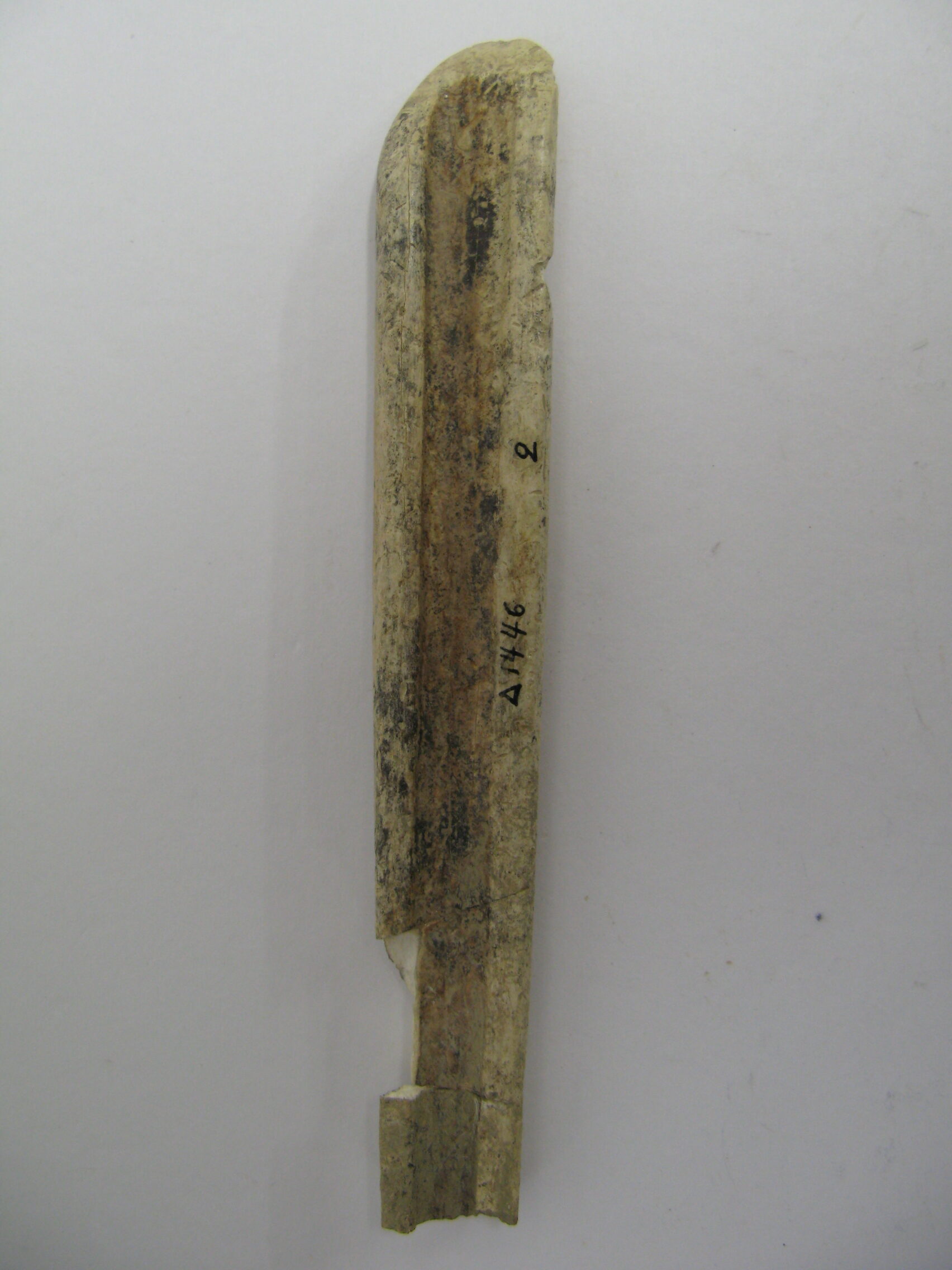
Bone spatula (Δ1446), made from the shaft of a split long bone, a metapodial, probably from cattle or deer. It may have served as a potter’s smoothing or burnishing tool. From Agios Dimitrios, Lepreo. Final Neolithic (4500–3200 BC).

21 / 24
Gold ring depicting a winged sphinx seated on its hind legs and facing left. It wears a crown and necklace, with outspread wings and a raised tail. Grave offering from Tomb 5, Mageiras. Mycenaean period, Late Helladic III (14th–12th century BC).
22 / 24
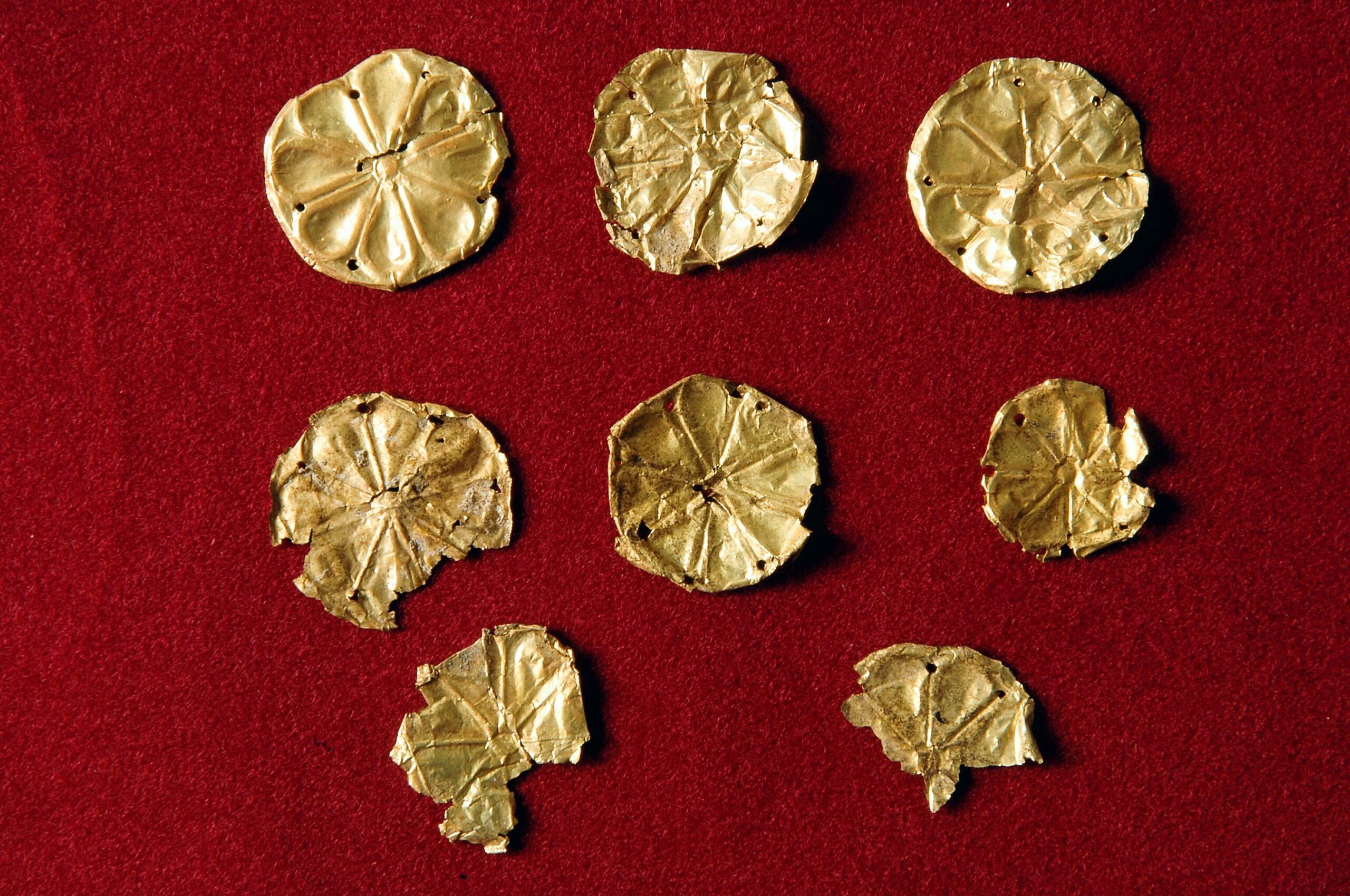
Gold rosette appliqués (Δ965), each made from a thin sheet of gold. Some are moderately preserved, others poorly. Intended for decoration, they were probably sewn onto luxurious garments or burial shrouds, indicating wealth and high social status. Grave offerings from Palioboukouvina, Agia Triada. Mycenaean period, Late Helladic III (14th–12th century BC).

23 / 24
Elean terracotta lekythos (Π3627), decorated with tongue-shaped motifs in relief ending in hooks curving to the left. It was used exclusively for funerary purposes. From Paliomylos at Palouki, Municipality of Ilida. Late 5th–first half of the 4th century BC.

24 / 24
Complete krater with painted figural decoration (Π13850), used as a grave marker. Each side depicts two chariots with their drivers, recalling the funeral games held in honour of Patroclus, Achilles’ friend, as described by Homer. Beyond its aesthetic value, the scene has been interpreted as evidence for Mycenaean chariot racing and is associated with warriors’ burial customs and commemorative honours. A product of an Elean workshop, it is an outstanding example of Mycenaean vase painting. From the Mycenaean cemetery at Kioupia, Mageiras, near Ancient Olympia. 12th–11th century BC.